Ask any parent with an overflowing toy box and they will tell you the same thing: the more toys their child has, the less they seem to play with any of them. It is not your imagination. When everything is out at once, children flit from one thing to the next, and the floor fills up faster than anyone can tidy it.
A toy rotation is the simplest fix we know. It costs nothing, takes an hour to set up, and the toys you already own start to feel new again.
What a toy rotation is
You keep a small selection of toys out, usually between eight and twelve, and store the rest out of sight. Every week or two, you swap some of them. That is all.
Toys that come back after a break are met with fresh enthusiasm, and the smaller choice helps children settle into longer, deeper play.
Step 1: Gather everything
Bring every toy into one room. Yes, all of them, including the ones under the sofa. Put aside anything broken, anything missing pieces and anything your child has clearly outgrown.
Step 2: Sort by type of play
Group what is left into rough categories:
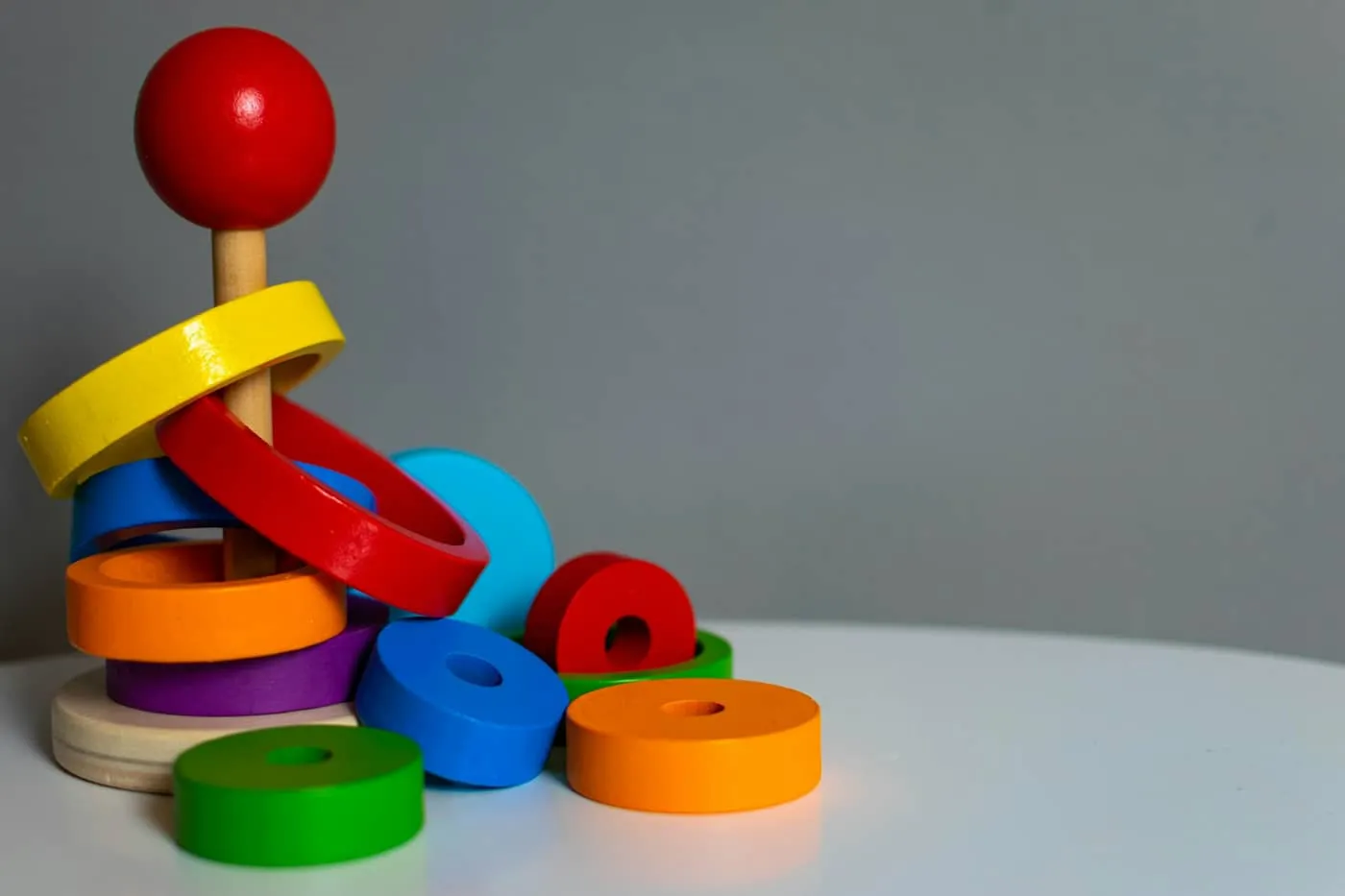
- Building and stacking: blocks, stackers, nesting cups
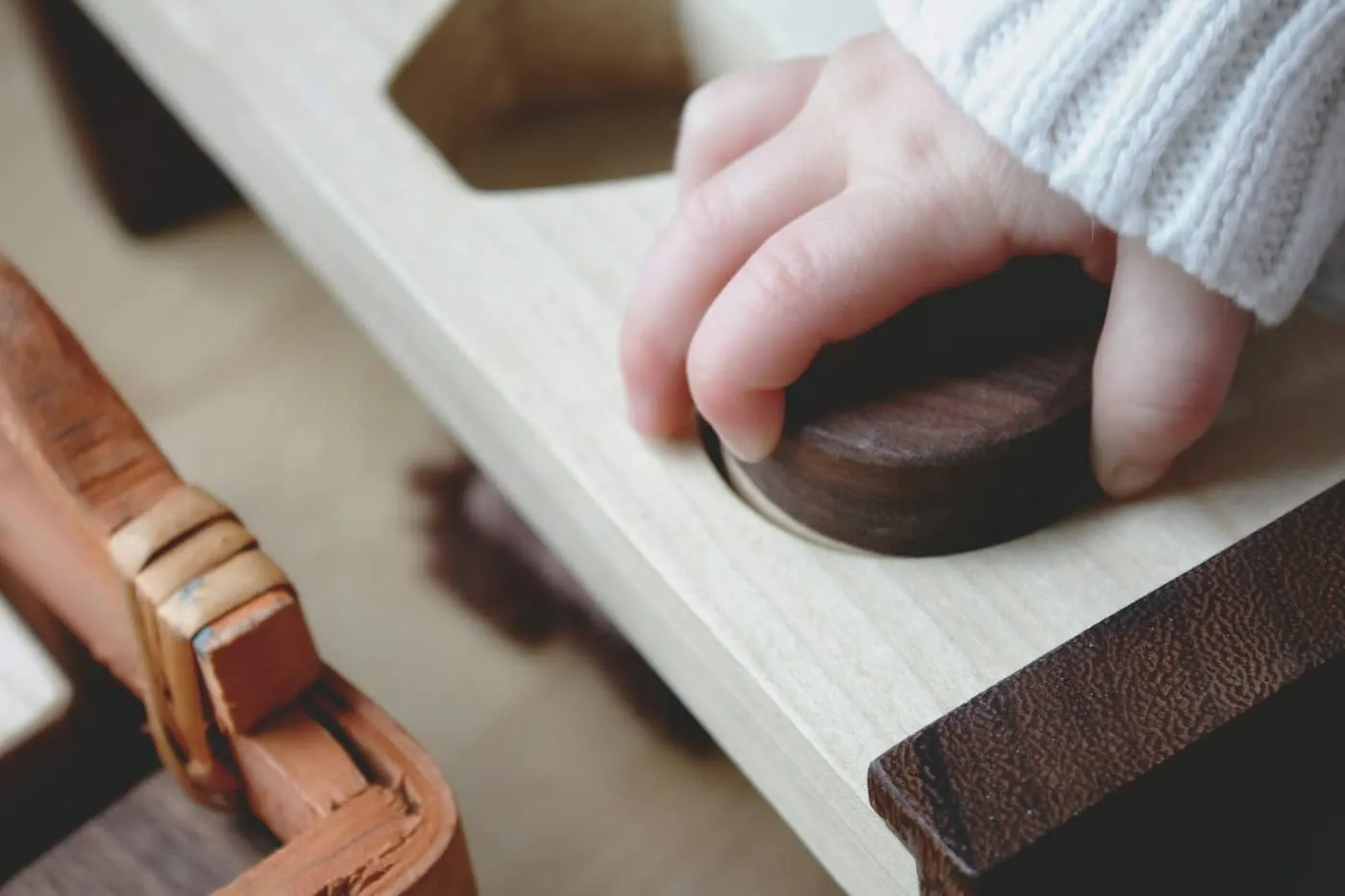
- Fine motor: puzzles, sorters, threading toys
- Pretend play: figures, vehicles, play food, dolls
- Books
- Movement: push and pull toys, balls
- Creative: crayons, play dough, stickers
Step 3: Choose the first selection
Pick one or two toys from each category. Aim for a mix of easy, familiar favourites and one or two things that offer a bit of a challenge.
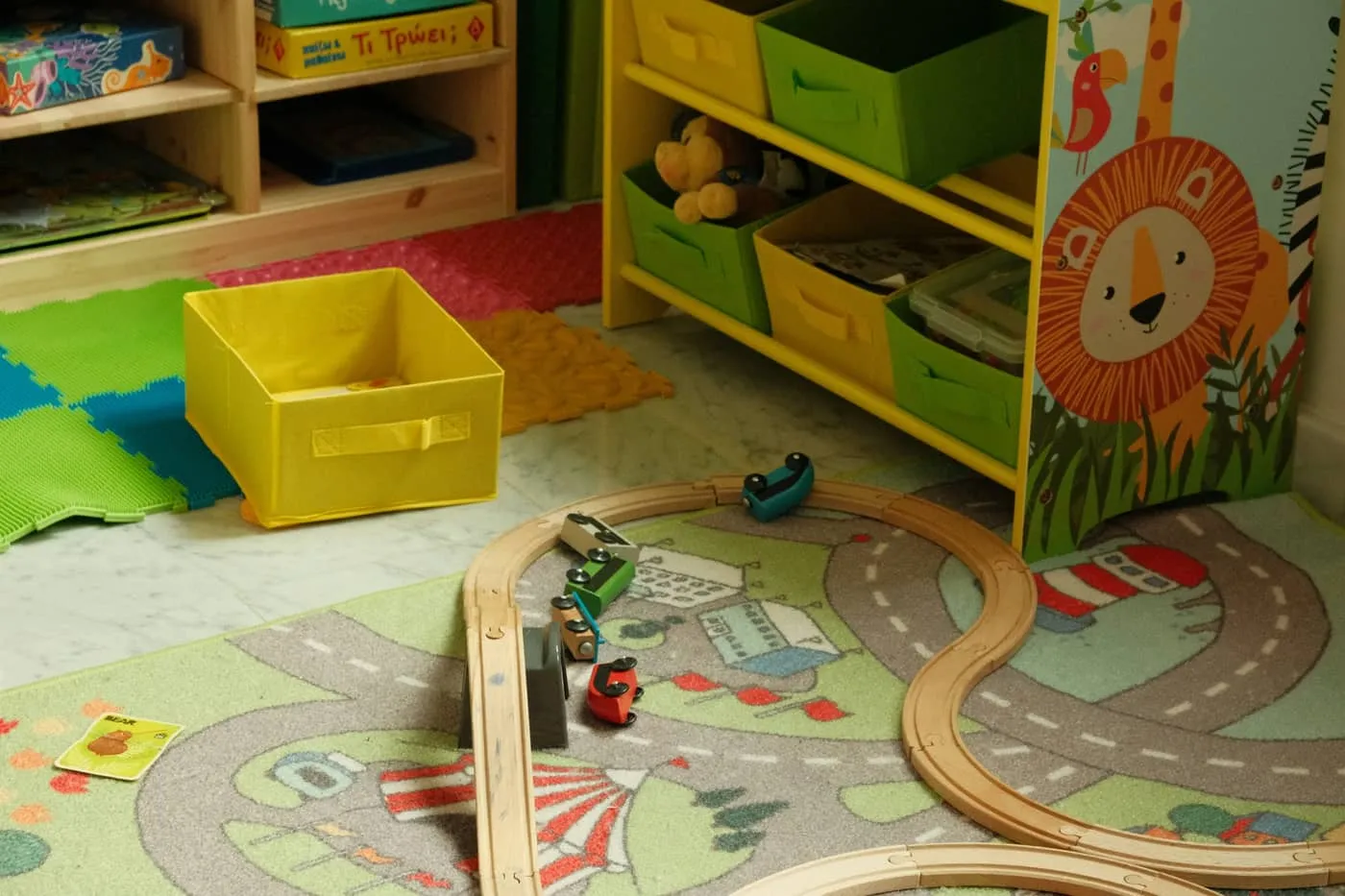
Display them on a low shelf where your child can see everything and reach it without help. Baskets and trays make it obvious where each toy lives, which makes tidying up far easier.
| Age | Toys out at once | Swap every |
|---|---|---|
| Under 1 | 6–8 | Week |
| 1–2 years | 8–10 | 1–2 weeks |
| 3 years and up | 10–12 | 2 weeks |
Step 4: Store the rest out of sight
Clear boxes on a high shelf, under the bed or in a cupboard all work. The key is that the toys are not visible, so they don’t call out to be played with.
Step 5: Watch, then swap
Before you swap, notice what has been played with and what has been ignored. A favourite can stay out for another round. Something untouched goes back into storage and may be a hit next month.
Toy rotation isn’t about having fewer toys. It’s about giving each one a fair chance to be played with.
A few tips from our shop floor
- Keep comfort toys out of the rotation. A favourite bear or blanket should always be available.
- Follow interests. If your child is suddenly fascinated by trains, rotate in everything with wheels.
- Don’t be rigid. If your child asks for something in storage, get it out. The system serves the child, not the other way round.
If you would like help choosing a few new pieces for your rotation, come and see us on Gloucester Road. We love talking about this sort of thing.